

A capsule wardrobe is possibly a living thing
My colorful capsule wardrobe keeps evolving. (And all this time I thought it was supposed to be static.) Here's what's going on with mine, plus a list of resources to help you build yours.

Hello!
(Lots of pictures today! You may want to open this in your browser or the Substack app.)
One of the myths I’m just now realizing about having a capsule wardrobe is that it’s supposed to be a fixed foundation. (Is it for everyone else?)
I find mine is evolving, even though I haven’t had it long.
Things that can change your capsule wardrobe:
Moving from one climate to another, to another…
Moving from a city that has its own distinct culture and style, to a city with a different vibe. (For example, when I moved from Atlanta to Baltimore.)
Going from working at home back to an office, or vice-versa. (So can deciding to work for yourself.)
Your commute, your activities
Becoming a parent!
Retirement
Our bodies change
Learning about what you like, what you want out of your style, and what you feel looks good on you can influence evolution in your capsule wardrobe. (For me, part of that was discovering I’m a petite—I need cropped jackets with shorter sleeves—and learning about the difference shape makes, which prompted me to switch out the foundational jeans in my wardrobe.)
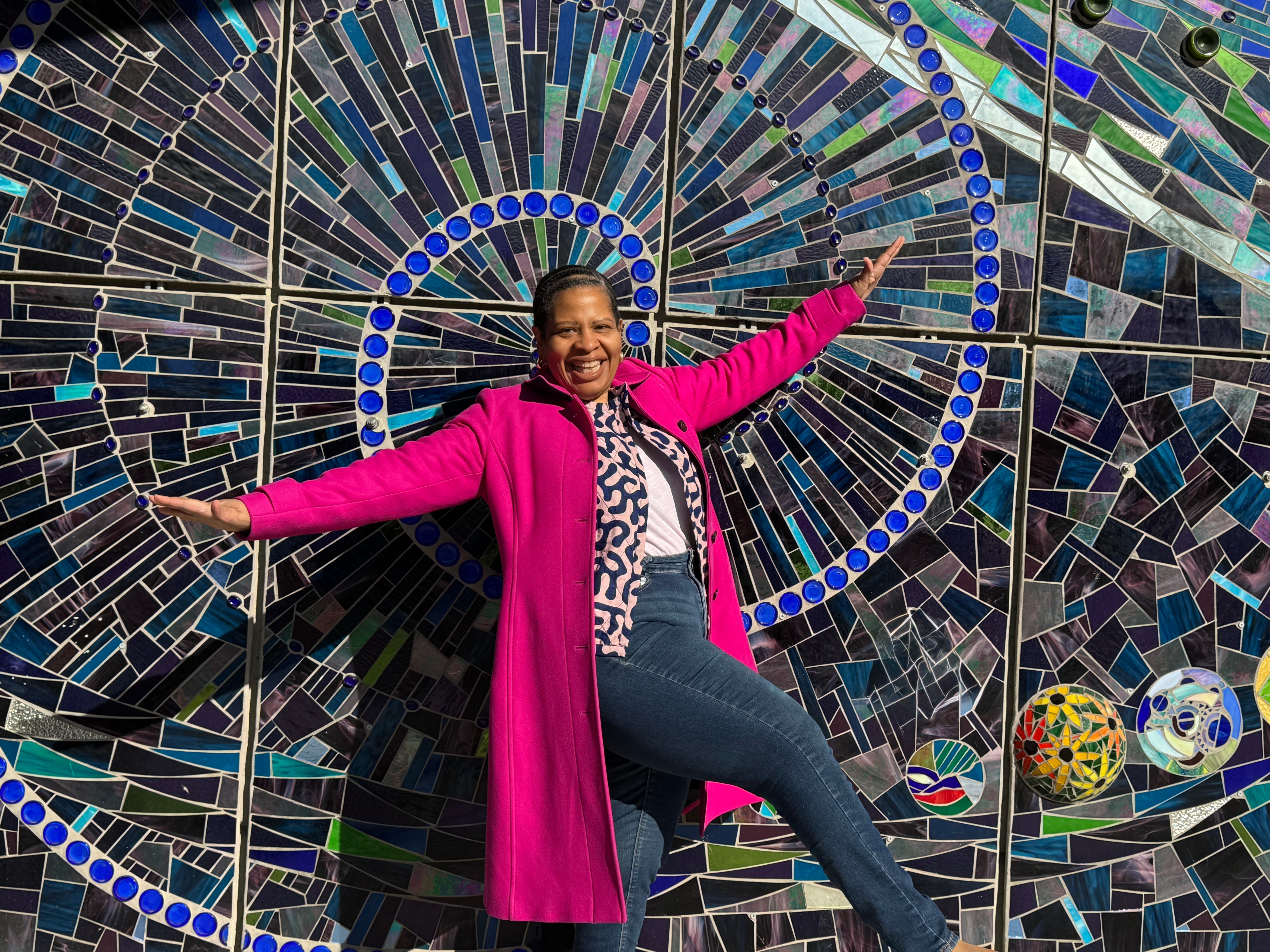
Some things about your capsule stay consistent. If you use them, your three style words remain the same and help guide change. I still love bold colors, rhythmic geometric prints, and nods to the 70s. Whatever those elements are for you, they can be the connective through-line that keeps you happy with your clothes and helps you maintain a wardrobe that still feels like you and expresses your identity, even as your capsule wardrobe evolves.
I’ve recently revisited a post I wrote last year about building a capsule wardrobe, in part because I personally needed a refresher. I’m in Mexico until November, and I’ve added different shoes (I walk so much more), I’m observing how style shows up in CDMX, and I’m thinking about how I might incorporate Mexican-designed and made clothes into my look.
I also updated that post, “How I built a capsule wardrobe that actually sparks joy (not boredom).” I’ve added audio and new pictures, and, for paid subscribers, an extra section: A (big!) list of resources to build a colorful capsule wardrobe.
For you: I’m including that new section in today’s newsletter. (Keep scrolling!)
If your capsule wardrobe needs an update, these might help you think through what aspects and pieces you want to keep, and what to change.
Being transparent, this is also a newsletter experiment. I’d like to see if you think an extra resources section, which I’m calling the List (I know… so innovative!) might be worth the price of a subscription. The main part of the newsletter will always be free (the theories, the experiments, Q&As, etc.) because I recognize and appreciate everyone who’s reading and investing their time with me. I want re:dressing to become a welcoming place for people going through changes and exploring their style.
Here’s a link to the updated post, and scroll for a free version of the List!
Go to the very end for a preview at what I’ve got in the works for upcoming newsletters.

The list: Bring joy to your wardrobe
This list isn’t just about color—it’s also about culture, too. I love supporting designers who might otherwise be overlooked. And wearing clothes that represent your roots is part of being able to express yourself.
Color analysis
I did my own online seasonal color analysis after reading articles at The Concept Wardrobe and downloaded a color palette for $20. Wardrobe palettes and outfit combos are available for extra. Online results aren’t as accurate, and I trust and I’ve seen mixed reviews. But I’m happy with what I got for the money. Of course, there are plenty of color analysis apps.
If you want to work with a consultant, Color Me Beautiful (the company that started it all in the ‘80s) has an online consultant locator to find someone local to you or set up a virtual consultation. Expect to pay $100 to $800.
If you decide to incorporate color analysis into how you build your wardrobe, then your next natural thought might be the same one I had: Wouldn’t it be cool to shop online and filter by your season? There are a few retailers that support shopping by color analysis and they also offer resources to help you find and learn how to use your colors. Scroll the list below, where you’ll also find retailers known for vibrant clothes.
Clothes
Here is a list of retailers known for vibrant clothes, including some that let you shop by your seasonal colors.


Ann Taylor is a classic brand if you’re looking for pieces to build a work capsule wardrobe in interesting solid colors.


BIIO’s sportswear embraces stripes in bold colors with embroidery. The clothes are handmade from 100% cotton. (I love the exaggerated cuffs on the oversized blue and white striped shirt.) However, this brand isn’t very size inclusive: pieces come in small, medium, and large and are in UK sizes.


Boden - I like that their clothes offer classic lines and silhouettes with bold colors and patterns. Depending on the piece, sizes range from 0 to 22 US, and in petite and standard.


Christopher John Rogers: I have to include designer CJR, and I know we don’t all have CJR money. I love the way he uses color. On occasion he does collaborations with brands like Old Navy and J. Crew—follow his Instagram account to learn about his collaborations. (Just know, when he does these, items sell out fast!)
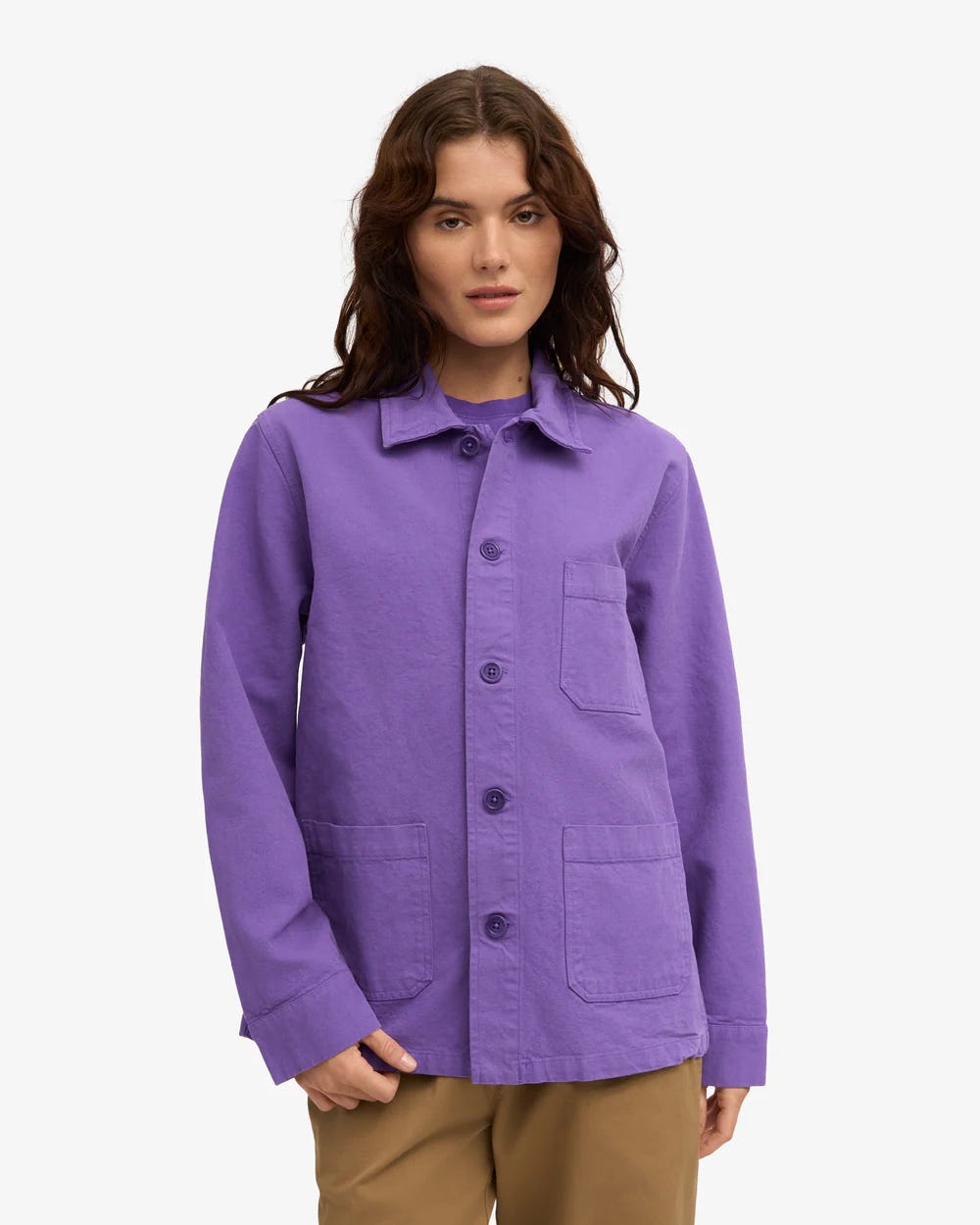
Colorful Standard gives you more flexibility to shop online by color than other retailers—instead of just “blue,” you can choose to filter by nine different shades of blue, including polar blue, Pacific blue, and petrol blue. They are B-Corp certified and clothes are made from 100% organic cotton. Women’s sizes range from XS to 2XL.


Dressed in Lala: I love shopping this online retailer for bold prints and patterns. You’ll find a lot of streetwear and graphics, and sometimes whimsical and exaggerated dimensions. Sizes range from XS to 3XL.


Farm Rio: How could I not include a brand whose tagline is “dress in happiness”? Farm Rio’s clothes reflect the company’s Brazilian roots, and feature embroidery, crochet, lace, smocking, and prints and patterns inspired by the region’s botanical and natural diversity. My long-time criticism is that Farm Rio isn’t very size-inclusive.


Kettlewell Colours is a British brand that allows you to shop by your seasonal color palette. It’s a good resource if you want foundational wardrobe pieces in solid colors for tonal outfits, color blocking, or layering. They have their own approach to color analysis that recognizes 16 seasons (instead of the original four or the expanded 12), plus they offer an online color analysis quiz (which should be more inclusive, IMO) and consultations with a stylist.


Sixxta is based in Santander, Colombia, and their fun, artistic clothes include jeans, jackets, tops, dresses, and more. Sizes range from 4 to 18.


Shop My Palette allows you to shop by your seasonal color palette and offers color analysis tools and articles. They’ve curated clothes from different retailers (most in the UK); when you browse their site for clothes, they’ll refer you to the retailer’s site to actually make your purchase.
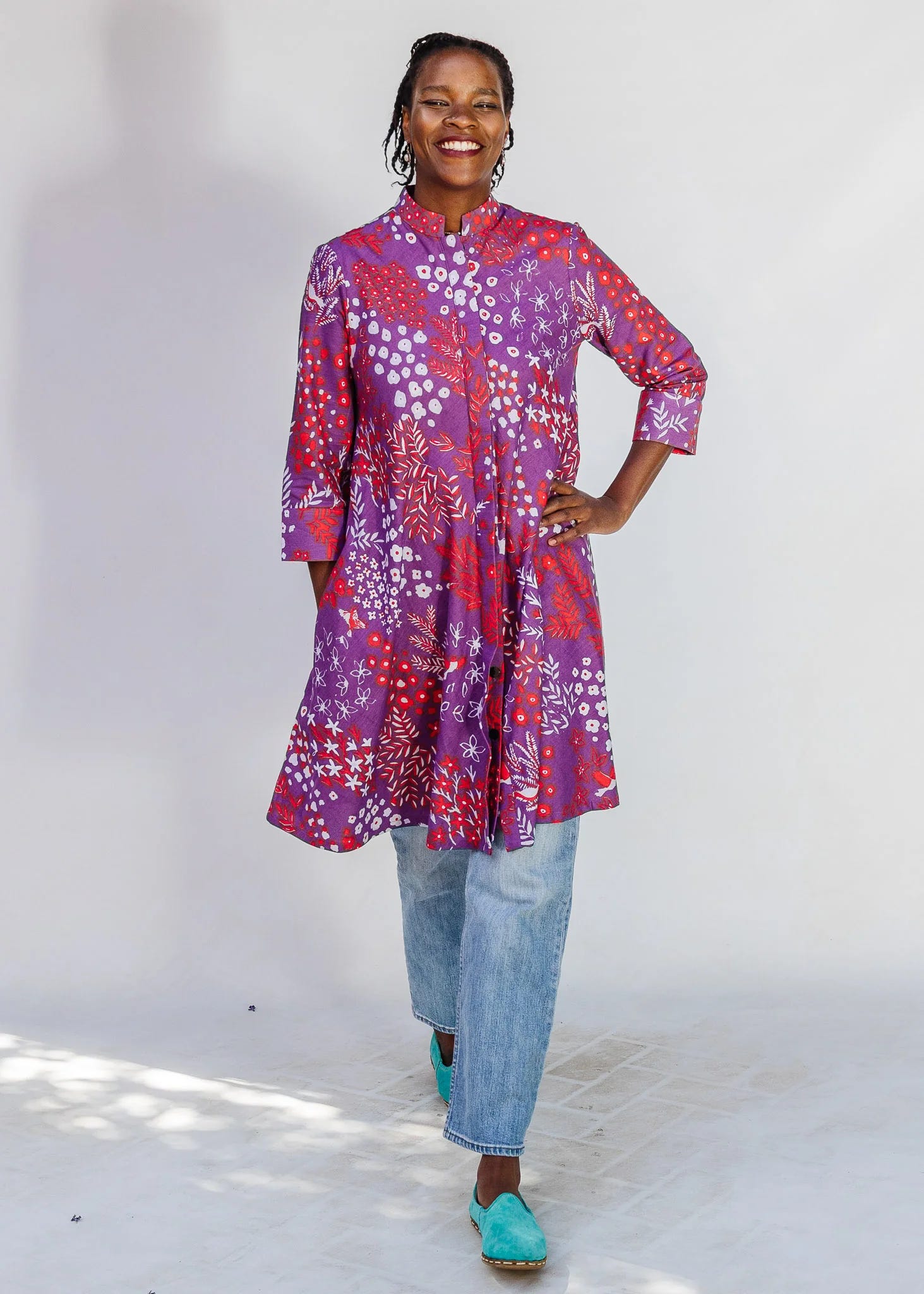
Zuri makes wonderful swing dresses, tops, pants and more, using African wax prints of 100% cotton, cotton-linen blends, and cotton-wool blends. These make great capsule pieces because they can be worn as a dress with or without pants, or you can wear them as a lightweight jacket.
If you see a print you like, get it. Every print is a limited edition that is only produced for a few months and they don’t come back. (I’ve made this mistake.) Sizes from XXS to 3XL, in petite and standard, and they run intentionally larger. Dresses cost around $165 US.
For more retailers, here’s a list, 20+ Colorful Clothing Brands You Need to Know About (free) from the newsletter Statement Wall.
And more
For more on using neutral colors to elevate or relax a look, read Meet Your Unsung Color Heroes (paywall) by stylist Angie Uh who writes The Found Journal.
Here’s another interesting read about color: Why the West is Afraid of Color from The Juggernaut (paywall). In many cultures, color is used to represent deities, in celebrations and rituals, or to represent power. Western colonialism disrupted all of it by reframing color as childish, primitive, uncivilized, or worse. Learning about this helped me embrace color in my own wardrobe.
What’d you think of the List?
If this is valuable to you, upgrade your subscription—it’s currently $5 a month. You’ll have access to the List in future issues.
The main part of the newsletter will always be free.
Coming soon
Why are shoes either cute and painful or comfortable and plain? 75 percent of adults in the U.S. have some kind of foot issue, whether its foot pain or a structural problem. Yet most of the shoes on the market aren’t made for that reality, and the ones that are just look like the equivalent of unseasoned chicken. I’m writing about how to buy shoes that support foot health and where to find some that work with your style.
White shirts designed for women with curves: Speaking of capsule wardrobes, conventional style rules say a white shirt should be a staple. I always felt like the shirt was always fighting my curves. Well, last year I met Dianne Lemon, and she has been on a mission to design the perfect white shirt for women in midlife. She’s launching her shirts now, and I’ll share her story in a future issue. Until then, here’s Dianne on why she created these shirts and how they’re made:
Housekeeping
If you know someone who would like this newsletter, please share!
I publish re:dressing every other week.
My goal is to build a place for people who want to grow and feel confident about expressing themselves through style as our bodies change.

OMG my mind went wild with wardrobe possibilities ! Like those red pants though ---- oh MY ! And all these resources - you truly are a gift Shaun !
I always love to learn about new brands! How is Mexico City?